Bhairab Kunda Trek: Guide to the Sacred High-Altitude Lake Near Kathmandu
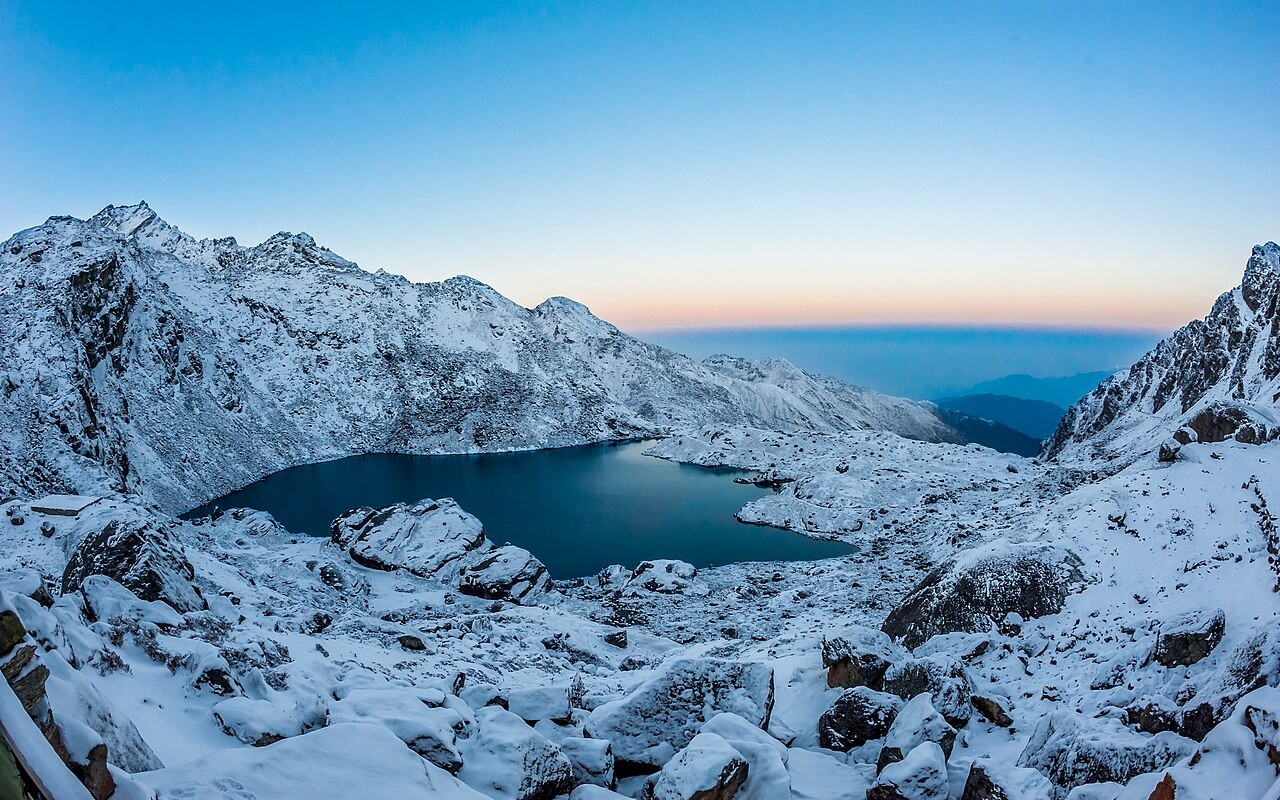
Bhairab Kunda Trek: The Sacred Alpine Lake You Probably Haven't Heard Of
Most short treks near Kathmandu follow a predictable pattern. Bhairab Kunda does not. A sacred lake at 4,200m in the Sindhupalchok hills, northeast of Kathmandu, it offers no teahouses, no crowds, and on one specific day each year, hundreds of Hindu pilgrims making the climb to bathe. Most foreign trekkers who go there arrive expecting a hike and find something else entirely.
This guide covers the full route and itinerary, what to pack (it is a camping trek, as no lodge accommodation exists), the Janai Purnima pilgrimage context, altitude safety at 4,200m, and the best time to go. Two things competitors miss: this is a camping-only trek, and the lake has deep religious significance that is completely visible when you arrive.
What is Bhairab Kunda?
Bhairab Kunda is a high-altitude glacial lake sitting at approximately 4,200m in the Jugal Himal range, Sindhupalchok district, northeast of Kathmandu. The name translates roughly as "the lake of Bhairab," Bhairab being a fierce form of Shiva in Hindu and Buddhist tradition. The lake sits close to the Nepal-Tibet border.
It is considered one of the most sacred sites in the Sindhupalchok hills. Every year during Janai Purnima (the August full moon festival), pilgrims travel from across the region to bathe in the lake. Devotees believe that bathing at Bhairab Kunda cleanses sins and brings spiritual liberation. For most of the year, the lake is quiet. During Janai Purnima, the experience is fundamentally different.
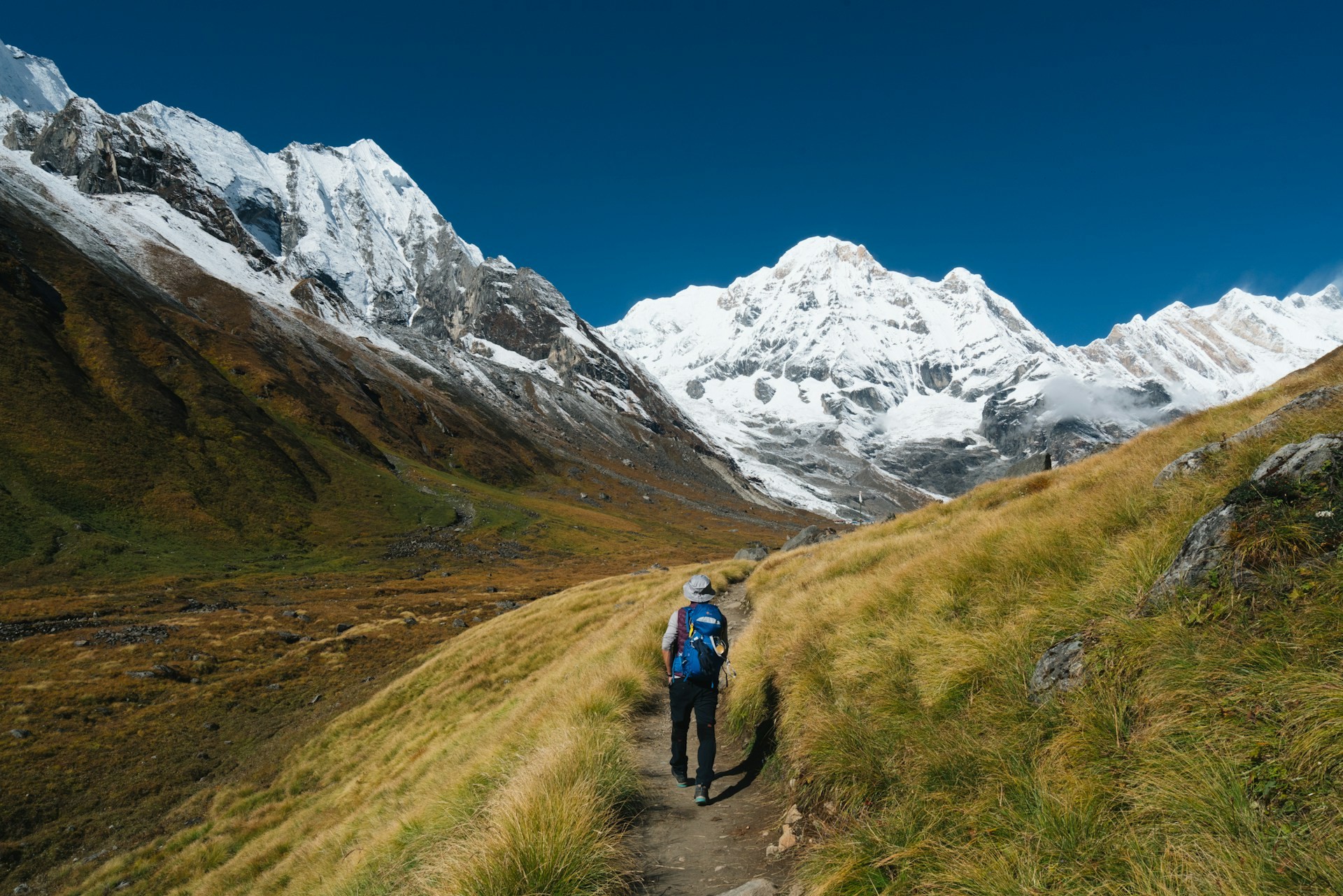
The approach from Kathmandu takes 2 to 5 days of trekking depending on the route and starting point, passing through the Bhote Koshi valley and into progressively remote terrain. Above 3,500m, the landscape opens into high-altitude meadows and the kind of silence that is hard to find anywhere near a city of three million people.
Two reasons people come here: trekking and pilgrimage
The trekking case
Bhairab Kunda is one of the few high-altitude treks in the Kathmandu region that is genuinely uncrowded. A trekker who wrote about the experience noted walking for half a day without seeing another group. The villages along the route are working communities, not tourism operations. At the lake itself, during non-festival periods, it is typical to find only a handful of visitors.
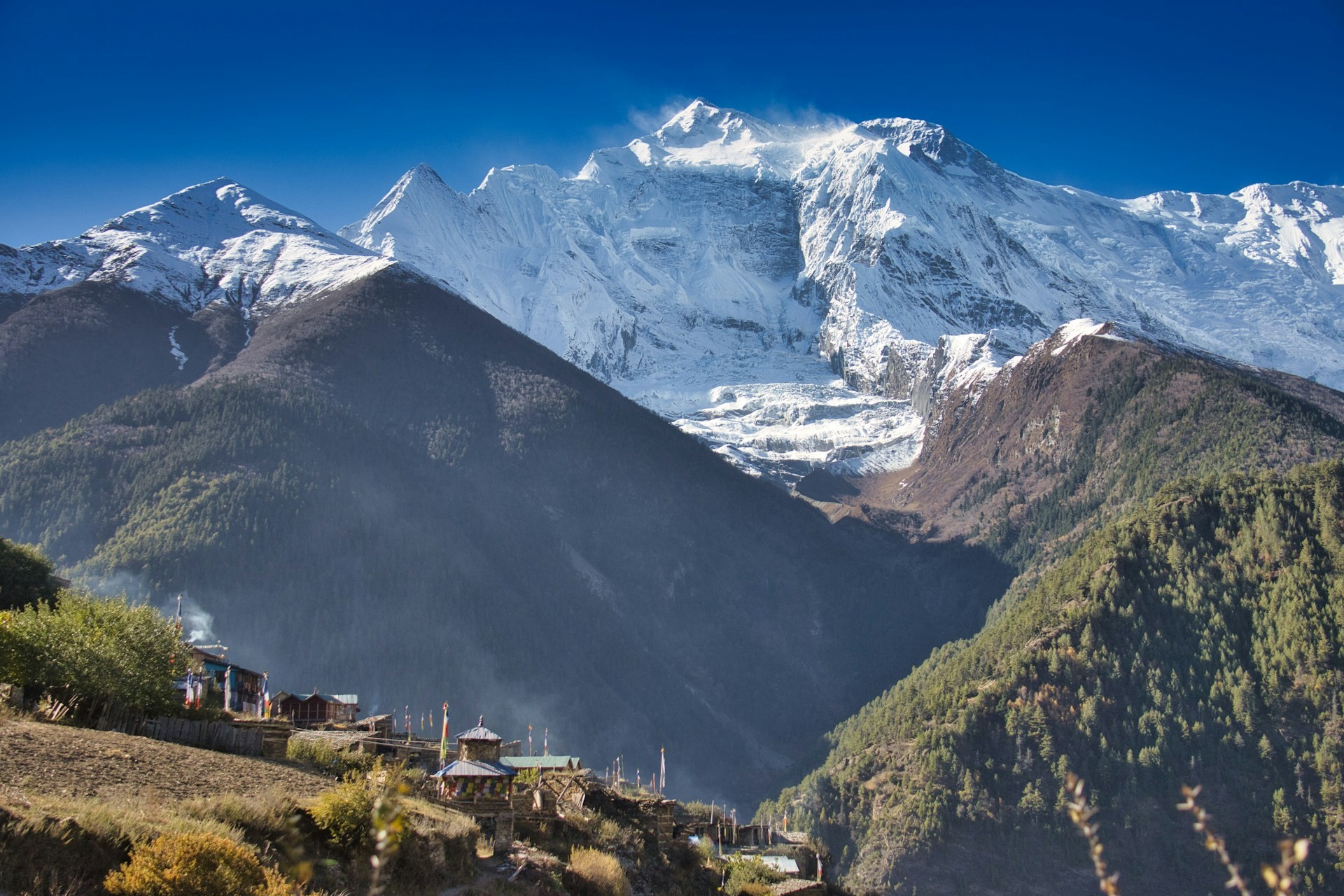
The views from the high sections of the route include Dorje Lakpa (6,966m), Phurbi Ghyachu (6,637m), and the full arc of the Jugal Himal massif. These are not peaks on the standard postcard circuit, and the view is better for it.
The Janai Purnima angle
Janai Purnima falls in August, on the full moon of the Nepali month Shrawan. For trekkers whose timing aligns with this festival, the experience at the lake is not a trekking experience at all. Hundreds to thousands of pilgrims make the climb on that day, the route becomes a river of devotion, and a foreign trekker arriving at the lake finds themselves as a witness to something that has nothing to do with the adventure tourism industry. Multiple accounts from people who visited during the festival describe it as the most unexpected and memorable thing they encountered in Nepal.
The lake's dual identity is what no competitor has written about. A sacred site that is also a trekking objective. A place where the pilgrims arrive on the same trail as the adventurers.
Bhairab Kunda trek route and itinerary
Route overview
The most common approach runs from Kathmandu northeast through Jalbire or Chanaute (via the Araniko Highway/Bhote Koshi corridor), then up through Sindhuli and into the Sindhupalchok hills. Key camps or staging points: Bagam (or Chagam, around 2,800-3,000m) is used as the acclimatisation night before the final push to the lake.
The terrain above 3,500m requires navigation that trail markings alone cannot guarantee. A local guide is not a commercial add-on. Above 3,500m you do not want to be working out the route for the first time.
Standard itinerary (4-5 days return)
- Day 1: Drive Kathmandu to Jalbire / Chanaute (road, 4-5 hours). Begin trekking if time allows.
- Day 2: Trek to Bagam / Chagam (approx 2,800-3,000m). First camp. Acclimatisation night.
- Day 3: Trek to Bhairab Kunda lake (4,200m). Camp at the lake. Explore the site, visit the shrine.
- Day 4: Descend to Chagam / Bagam.
- Day 5: Continue descent, drive back to Kathmandu.
Note: Some operators run this as a 3-day trek with an early start on day 2. The extra acclimatisation night is recommended, especially for trekkers who have not been above 3,500m recently.
Difficulty and who this trek is for
Bhairab Kunda is described as moderate to challenging. That description is accurate, and the challenge is more physical than technical.
The ascents are relentless, particularly above 3,000m where the trail climbs steeply toward the lake. The altitude adds an additional variable: at 4,200m, oxygen is roughly 60% of sea-level concentration. Trekkers who have only done valley walks or lower-altitude routes frequently find the combination of sustained steep terrain and thin air more demanding than they expected.
Who is this trek for? Trekkers who have completed at least one multi-day route in Nepal or at similar altitude elsewhere. Reasonably fit individuals who can sustain uphill walking for 5-7 hours with a pack. People who can tolerate basic camping conditions, because there is no alternative: no teahouses exist on this route. Accommodation means a tent and a cook from your agency.
First-timers to Nepal can do this trek, but should not underestimate it and should go with an operator who builds in the acclimatisation night.
Best time to visit Bhairab Kunda (including Janai Purnima)
Spring (March to May): Primary trekking season. Rhododendrons in bloom on the approach, firm trail conditions, good mountain visibility. The lake area can still hold snow in March, so operators can advise based on current conditions.
Autumn (September to November): Secondary season. Clear skies and excellent peak views after the monsoon. October is the most reliable month. October and November give the clearest sight lines to the Jugal Himal peaks.
Janai Purnima (August, full moon of Shrawan): If you want to witness the pilgrimage at the lake, this is the date. The trek itself is harder in August, as monsoon conditions make the steep sections slippery and the trail is wet throughout. But for those willing to accept those conditions, arriving at Bhairab Kunda on Janai Purnima is an experience that no off-season visit replicates. Plan 2-3 weeks in advance for operator availability during this period.
Monsoon (June to August, outside Janai Purnima): Not recommended. Slippery trails, poor visibility, and high rain probability.
Winter (December to February): The route is closed by snow above 3,500m. Not recommended for standard trekking.
Permits, guides, and costs
Permits
Bhairab Kunda lies in Sindhupalchok district. Permits required: TIMS Card (Trekkers' Information Management System) and the mandatory guide regulation (in force since 2023) requires a licensed guide for all trekkers in designated areas, which includes routes of this type. Verify current requirements with your operator at the time of booking, as permit requirements in lesser-trekked areas can be updated.
Guide and cost
A local guide for this route is not optional: the trail markings above 3,500m are inconsistent, and without local knowledge navigation becomes genuinely risky. This is not a commercial upsell. It is a practical requirement of the terrain.
Typical costs for a 4-5 day package with a reputable operator (from Kathmandu): USD 300-600 per person depending on group size, operator, and what is included. This typically covers guide, porter, camping equipment, and meals. Transport to and from the trailhead is usually additional.
Budget operators do run this route at lower prices. The concern is not just quality: on a camping-only trek with no fallback accommodation and inconsistent trail markings at altitude, the quality of your guide and cook team matters more than on a lodge-to-lodge route.
What to pack
Because there are no teahouses, everything you need for shelter, warmth, and food must arrive with the team. This is not a route where you can rely on buying a hot meal or borrowing a blanket.
Your operator provides: tents, sleeping mats, a cook, and group cooking equipment. You provide:
- Down sleeping bag: rated to at least -10C for the lake camp
- Thermal base layers (top and bottom)
- Fleece or insulated mid-layer
- Waterproof outer shell (jacket and trousers)
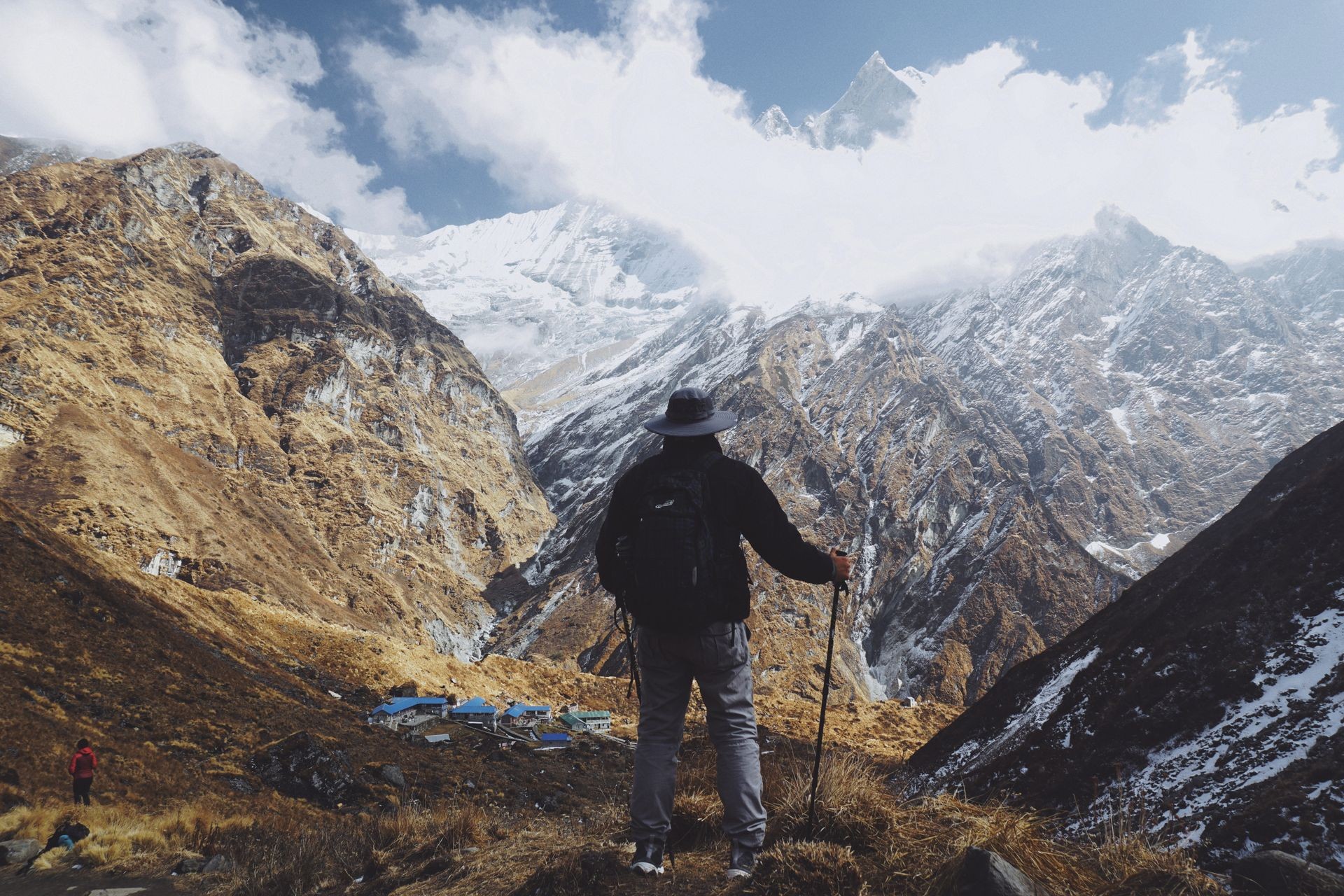
- Trekking poles: strongly recommended on the steep descent
- Trekking boots with ankle support (waterproof)
- Warm hat, gloves, and buff/neck gaiter
- Headtorch with spare batteries
- Sunscreen and UV-protective sunglasses (altitude amplifies UV exposure significantly)
- Personal medical kit: blister care, anti-diarrhoeals, pain relief, rehydration salts
- Water purification tablets or filter
- Personal snacks for the trail
Do not assume the lake camp will be warm. At 4,200m, overnight temperatures drop sharply even in spring and autumn. Bring more insulation than you think you need.
Altitude and safety at 4,200m
Four thousand two hundred metres is not extreme by Himalayan standards, but it is enough to produce altitude sickness in people who ascend without adequate acclimatisation. AMS (Acute Mountain Sickness) symptoms include headache, nausea, fatigue, and disrupted sleep. The standard protocol: if you feel symptomatic, rest and do not ascend further. If symptoms do not improve or worsen, descend.
The acclimatisation night at Bagam/Chagam (around 2,800-3,000m) before the lake camp is the single most effective mitigation. Operators who compress the itinerary to skip this night are reducing your margin. Ask specifically whether the itinerary includes it.
Helicopter evacuation from the Bhairab Kunda area is possible but slow. There is no quick extraction. The remote nature of the route is part of its appeal, and it is also the reason to take altitude sickness seriously before it becomes an emergency.
For detailed guidance on altitude illness management, the Wilderness Medical Society publishes freely available clinical guidelines.
Frequently asked questions
What is Bhairab Kunda and where is it located?
Bhairab Kunda is a sacred glacial lake at approximately 4,200m in the Sindhupalchok district, northeast of Kathmandu in the Jugal Himal range. The name refers to Bhairab, a fierce form of Shiva. The lake sits close to the Nepal-Tibet border and is a significant pilgrimage site for Hindus and Buddhists.
How difficult is the Bhairab Kunda trek?
Moderate to challenging. The ascents above 3,000m are steep and sustained. Altitude at the lake (4,200m) is enough to produce AMS in unprepared trekkers. Fit trekkers with prior multi-day hiking experience will find it manageable. First-timers to Nepal should not treat this as a casual outing.
How many days does the Bhairab Kunda trek take?
4 to 5 days return from Kathmandu, including the drive to the trailhead. A minimum of 4 days is recommended to allow for the acclimatisation night. 3-day itineraries exist but skip the safety buffer at altitude.
Is a guide mandatory for Bhairab Kunda?
Yes. Both the 2023 mandatory guide regulation and the practical demands of the trail above 3,500m make a licensed local guide necessary. Trail markings are inconsistent at higher altitudes, and this is not a route to navigate without local knowledge.
What permits are required for the Bhairab Kunda trek?
A TIMS Card is required. Check with your operator for any additional conservation area or local permits at the time of booking, as requirements in less-trafficked areas can change.
When is the best time to do the Bhairab Kunda trek?
October and November for clear skies and stable conditions. March to May for rhododendrons and spring warmth. August for Janai Purnima, if you want to witness the pilgrimage at the lake and are willing to trek in monsoon conditions. Avoid December through February (snow above 3,500m).
Trekking with Highlander
Highlander has been operating in Sindhupalchok and the Jugal Himal region since the 1980s. The route to Bhairab Kunda is not a standard circuit: it requires an operator who knows the current trail conditions, the best camping spots, and which section of the season the route is actually passable.
The Highlander Bhairab Kunda package includes licensed guide, porter, camping equipment, cook, and meals throughout. The acclimatisation night at Bagam is included as standard. Transport to and from Kathmandu is arranged.
For trekkers wanting to compare this route to other short options in the Kathmandu region, the Langtang Valley trek is a similarly accessible but more heavily trafficked alternative. Bhairab Kunda is the choice for those who want the altitude without the crowds.

-
PO Box: 10987
Thamel, Kathmandu -
+977-01-4700563, +977-01-4700066
Whatsapp: +977 9851167070

