How Difficult Is the Manaslu Circuit Trek? A Realistic Assessment
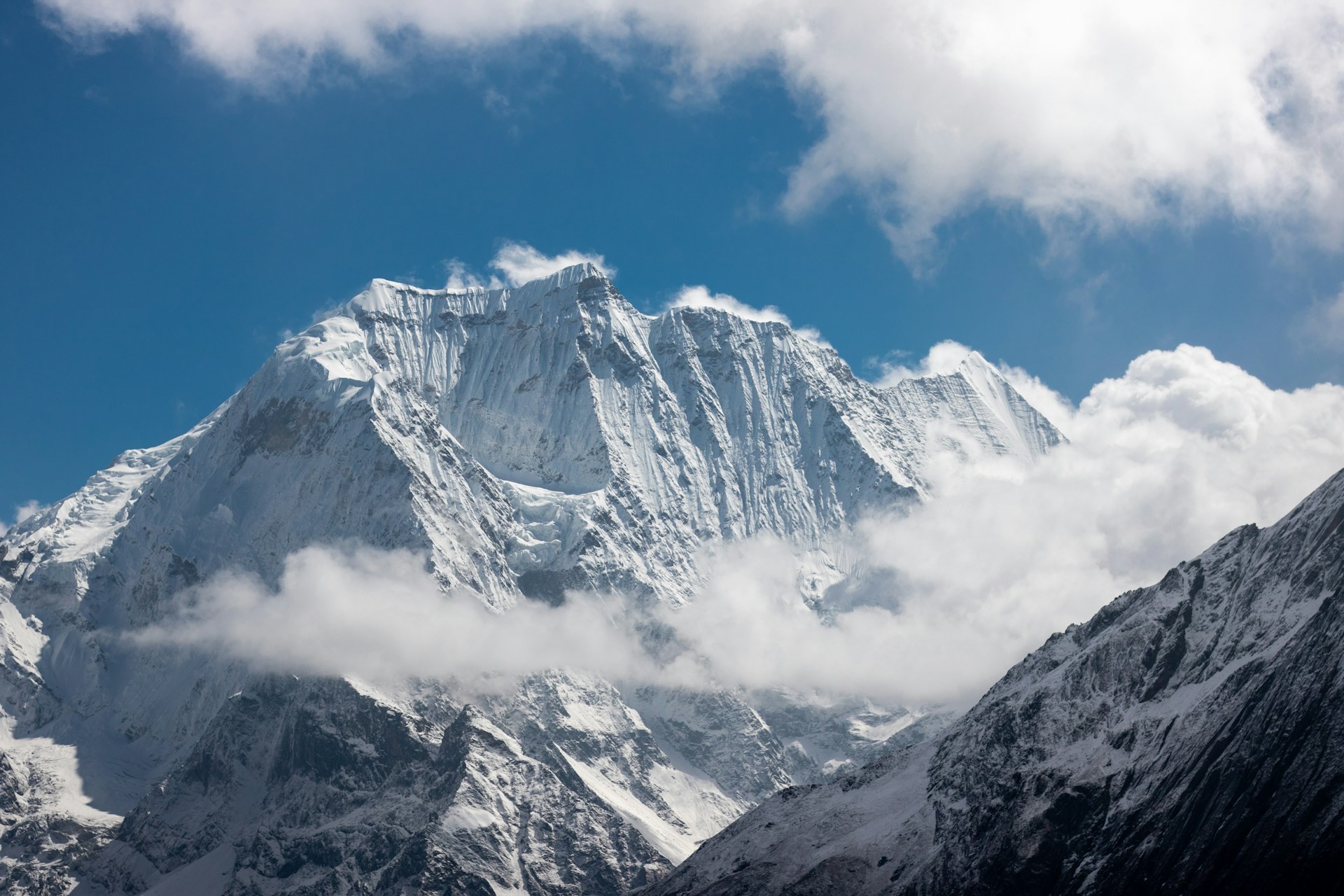
Straight answer first: the Manaslu Circuit is a hard trek. Not technical climbing-hard, but demanding in ways that catch underprepared trekkers off guard. The high-altitude pass, the remoteness from medical care, and the length of consecutive big days separate it from the more popular Everest and Annapurna routes. Here is what you are actually signing up for.
Overall Difficulty Rating
Difficulty: 4 out of 5. The Manaslu Circuit is harder than the Everest Base Camp trek in terms of remoteness and pass exposure. It is comparable to the Everest Three Passes route. The defining challenge is the Larkya La Pass at 5,160m, crossed on day 12-13 of the standard itinerary. If you have completed EBC and want the next level, Manaslu is the logical progression. If you have not done a multi-day high-altitude trek before, Manaslu is the wrong starting point.
The Larkya La Pass - What to Expect
Larkya La at 5,160m is the crux of the entire route. Crossing typically starts between 3am and 4am to avoid afternoon snowfall and deteriorating conditions. The crossing itself takes 6-8 hours depending on snow depth, your fitness, and group pace. In winter or after fresh snowfall, the pass becomes genuinely dangerous. There are sections with significant exposure and the descent on the far side is steep and loose in places.
This is not a place to test your fitness. You need to arrive at the base camp (Larkya Phedi, 4,460m) having already demonstrated that you handle altitude well. Trekkers who push through AMS symptoms to reach the pass are taking a serious risk in a location with very limited rescue options.
Daily Physical Demands
Average trekking days on the Manaslu Circuit run 5-7 hours. Harder days involve 400-800m of elevation gain, while acclimatization days are shorter and more relaxed. The section from Samagaon to Samdo and then to Larkya Phedi involves significant altitude gain across consecutive days.
The descents deserve attention. The drop from Larkya La into the Bimthang valley is steep and hard on knees, especially with a full pack. Trekking poles are essential. Weak knees are a common reason trekkers struggle more on the way down than up.
Altitude and Acclimatization
Maximum altitude: 5,160m (Larkya La Pass). Most trekking days are spent between 2,500m and 4,000m. Acclimatization days are built into the standard itinerary at Sama Gaon (3,520m) and Samdo (3,860m). Do not skip these days, even if you feel fine. Acclimatization works cumulatively, and the rest day at Sama Gaon is what makes the Larkya La crossing manageable for most trekkers.
Acute Mountain Sickness (AMS) is a real risk above 4,000m. Know the symptoms: persistent headache, nausea, loss of appetite, dizziness, and fatigue that does not improve with rest. If symptoms do not improve after a full night of rest and hydration, descend immediately. Do not ascend with AMS. No summit, pass, or schedule is worth ignoring these signs.
Remoteness - The Factor People Underestimate
The upper Manaslu circuit has limited helicopter access for emergency evacuations compared to the EBC route. Medical facilities are basic or entirely absent above Samagaon. This changes the risk calculation significantly. On EBC, an emergency can often result in a helicopter arriving within hours from Lukla. On Manaslu, that is not guaranteed.
This means your fitness and health condition before you start matters more here than on EBC. Existing heart conditions, respiratory issues, or a history of severe AMS should be discussed with a doctor before booking. Mobile signal is patchy above Dharapani. A GPS device or satellite communicator is recommended for the upper circuit.
Infrastructure and Trail Conditions
Tea houses exist throughout the Manaslu Circuit route but are noticeably more basic than EBC lodges, particularly above Lho and Samagaon. Do not expect hot showers, reliable Wi-Fi, or extensive menus. The food above 4,000m is limited to basics: noodles, rice, dal bhat, eggs, and basic soups.
Trail surfaces vary from maintained stone paths near villages to rough rocky terrain and snow-covered ground approaching the pass. Crampons are recommended for the Larkya La crossing during the shoulder seasons (November, March) when ice is likely on the trail.
Who Should Do the Manaslu Circuit Trek?
The Manaslu Circuit suits trekkers who have completed at least one previous moderate multi-day trek (Annapurna Base Camp, Langtang Valley, or similar), can hike 6 or more hours with a daypack without significant difficulty, have no serious untreated heart or respiratory conditions, and are comfortable operating in areas with limited evacuation options.
The Manaslu Circuit is not recommended for first-time trekkers, anyone with a history of severe AMS, or solo trekkers. Solo trekking is not permitted by regulation regardless of experience level.
How It Compares to Other Nepal Treks
Versus EBC: Manaslu is harder in terms of infrastructure and evacuation access. EBC has more established tea houses, clearer rescue logistics, and better mobile coverage. The maximum altitude on Kala Patthar (5,545m on EBC) is higher than Larkya La (5,160m), but the overall difficulty of Manaslu is higher due to remoteness and pass conditions.
Versus Annapurna Circuit: The Annapurna Circuit's Thorong La pass (5,416m) is actually higher than Larkya La (5,160m). But the Manaslu Circuit is considered harder overall because of less tourist infrastructure, fewer rescue options, and a more demanding trail in the upper section. Annapurna also has a road option across the pass; Manaslu does not.
Versus Langtang Valley Trek: Manaslu is significantly harder. Langtang is a good introductory high-altitude trek and is used by many trekkers as preparation for harder routes.
Training Recommendations
Start training at least 2-3 months before departure. Cardiovascular base training should be 4-5 days per week: running, cycling, or swimming all work. The key addition is loaded hiking - 2-3 hikes per week with a 10-15kg pack builds the specific muscles and joint strength used on long descent days. Stair climbing or incline treadmill work is effective if mountain access is limited.
If possible, complete one overnight trek before departing for Manaslu. This lets you test gear, identify any issues with your boots or pack fit, and get a realistic read on your fitness level. There is no substitute for time on the trail.
Frequently Asked Questions
Is the Manaslu Circuit harder than EBC?
In terms of trail infrastructure and rescue access, yes. The maximum altitude on Larkya La (5,160m) is lower than Kala Patthar (5,545m) on EBC, but the remoteness, pass conditions, and limited support make Manaslu the harder undertaking overall. More experienced trekkers generally agree on this.
Do I need prior trekking experience for Manaslu?
Previous experience on at least one multi-day trek is strongly recommended. The Manaslu Circuit is not a good first trekking experience. The Langtang Valley or Annapurna Base Camp trek would be better starting points if you are new to high-altitude trekking.
What is the best season for Manaslu?
March to May (spring) and September to November (autumn) are the two viable windows. October is the peak season with the most stable weather and reliable Larkya La conditions. Avoid monsoon (June to August) when trails are dangerous and the pass is exposed to rockfall. Winter treks (December to February) are possible for experienced groups but require crampons and careful planning around the pass.
Related Blogs

-
PO Box: 10987
Thamel, Kathmandu -
+977-01-4700563, +977-01-4700066
Whatsapp: +977 9851167070

