Nepal's Mandatory Guide Requirement: What Trekkers Need to Know in 2025 and 2026
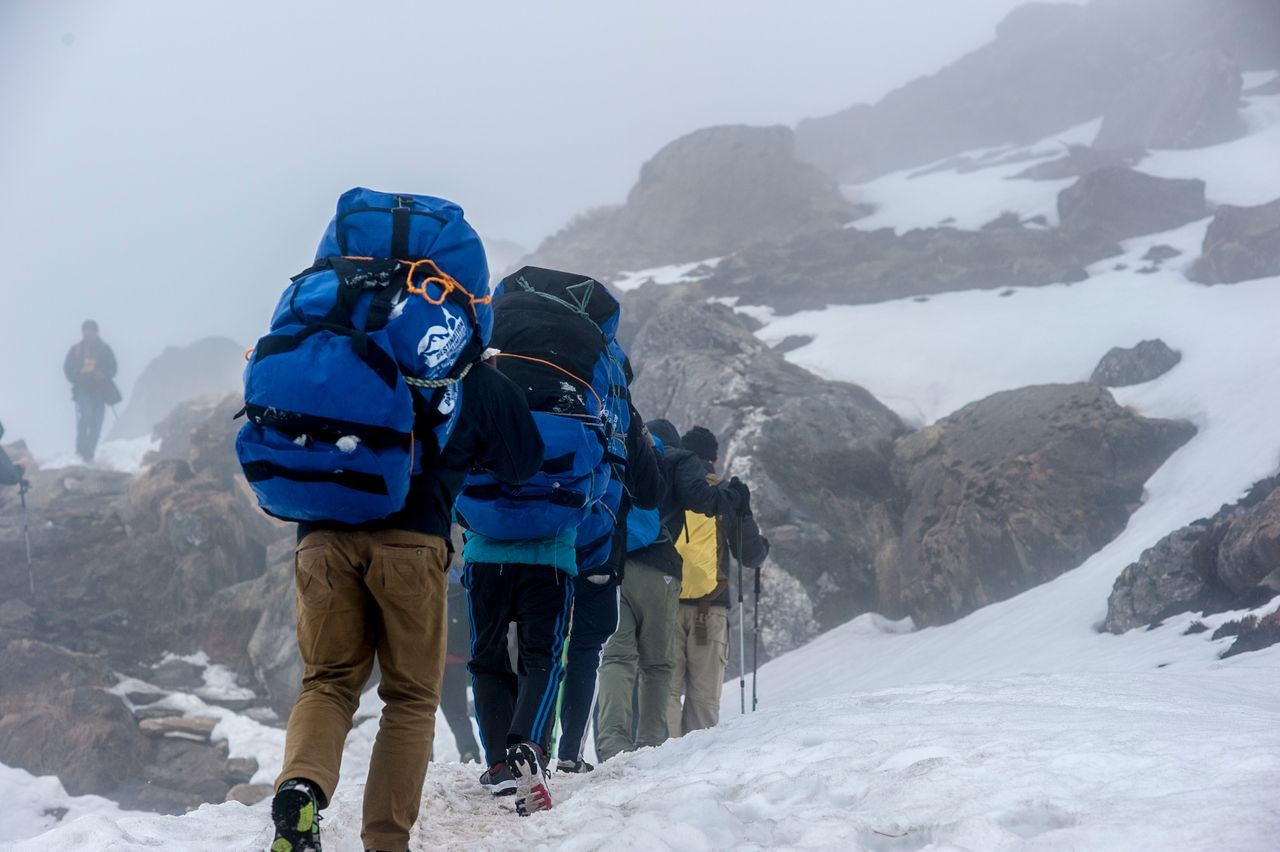
On April 1, 2023, Nepal changed the rules for solo trekking. As of that date, all trekking in Nepal's national parks and conservation areas requires a licensed guide. The rule caused immediate confusion. Many travellers cancelled plans, others proceeded hoping enforcement was loose, and operators scrambled to meet sudden demand. Three years on, the picture is clearer. This is what the rule actually covers, how it is enforced in 2025 and 2026, and what it means in practice for your trip.
Nepal has not banned solo trekking entirely. What changed is that trekking through national parks and conservation areas, which includes virtually every major route, now legally requires a licensed Nepali guide. No permit requirement exists for walking in unclassified areas, local trails, or road-accessible viewpoints.
What changed in April 2023
The rule was announced and took effect on April 1, 2023. It came from the Nepal Tourism Board, with backing from TAAN (Trekking Agencies' Association of Nepal) and the NMA (Nepal Mountaineering Association). The formal change: any trekker entering a national park or conservation area in Nepal must be accompanied by a licensed guide registered with one of these bodies.
The reasoning given was safety. Several solo trekkers had died in remote areas in prior years, and the search and rescue burden had become significant. The economic reasoning was also present: licensed guides earn income and support local communities in a way that fully independent trekkers often bypass.
The Kathmandu Post reported in March 2023 that the initial announcement caused a wave of trip cancellations and significant confusion about which areas were actually covered. The confusion was partly created by poor communication of the transition period, and partly by the scope of the rule itself: it covers nearly every classic trekking route in the country.
The EBC route through Sagarmatha National Park was included in the rule, but reports of a partial exemption circulated widely. Many trekkers interpreted news about specific sections as a full EBC exemption. It was not. The park requires a licensed guide. This particular confusion persisted for months after the rule came into effect and led to a significant number of trekkers arriving unprepared at park entrances.
Which trekking areas require a guide?
The short answer: all national parks and conservation areas. That covers virtually every route that foreign trekkers come to Nepal for.
- Sagarmatha National Park (Everest Base Camp, Gokyo, Three Passes)
- Annapurna Conservation Area (Annapurna Circuit, Annapurna Base Camp, Poon Hill)
- Langtang National Park (Langtang Valley, Gosaikunda, Helambu)
- Manaslu Conservation Area (Manaslu Circuit)
- Makalu Barun National Park (Mera Peak, Makalu Base Camp)
- Gaurishankar Conservation Area
- Kanchenjunga Conservation Area (Kanchenjunga circuit)
- Upper Mustang, Upper Dolpo, Nar-Phu, and Tsum Valley (restricted areas that always required licensed guides and special permits, even before the 2023 rule)
- Routes that fall outside national parks or conservation areas are technically not covered by the mandatory rule. But most of Nepal's popular trekking terrain sits within one of these boundaries. If your goal is the Annapurna Circuit, EBC, Gokyo, Langtang, Manaslu, or any comparable route, the guide requirement applies to your trip.
Is the rule actually enforced?
This is the most-asked question, and the honest answer has changed over time.
In 2023 and early 2024, enforcement was inconsistent. Trekkers who completed the Annapurna Circuit in 2023 reported passing the checkpoint at Dharapani with no one checking for a guide at all. Others walked through without being stopped at Chame or further along the route. The same pattern repeated on other circuits. In Spring 2025, trekkers completed the Langtang and Annapurna regions without being asked about guide status at a single checkpoint. The rule existed on paper. On the ground, checkpoints were underprepared and the system was chaotic.
By 2026, the situation had changed significantly. Checkpoints on the Annapurna Circuit now scan QR codes embedded in guide permits, verifying the guide's credentials against a central register. At Sagarmatha National Park entrance gates, every group on the manifest must show a licensed guide. The shift from 2023 to 2026 is not incremental. It is structural: the system that was chaotic at the start is now systematic.
Planning a 2026 trip on the assumption that 2023 enforcement patterns still apply is not a safe approach. The window for slipping through unverified is closing, and in some areas it is already closed.
What happens if you are caught without a guide? The most common outcome is being turned back at the checkpoint and losing your entry permit fees for that section. The return journey is at your expense. On a route where the nearest checkpoint is two or three days of walking from the trailhead, that is a significant practical consequence, not just a minor inconvenience. Fines of up to NPR 50,000 (approximately USD 375) are written into the regulation and have been issued, though in most documented cases the enforcement action is refusal of entry rather than a fine on the spot.
What is a licensed guide in Nepal?
A licensed guide in Nepal is a person registered with either NMA (Nepal Mountaineering Association) or TAAN (Trekking Agencies' Association of Nepal), depending on the type of trek. They carry a permit card that can be checked at park entrances and, on routes with QR verification, validated against a central database.
The rule created demand that the supply could not immediately meet. When licensed guide availability became genuinely scarce in 2023, unlicensed individuals entered the market and offered their services as licensed guides. Trekkers who hired through informal channels or unknown agents online had no reliable way to verify credentials on the trail. The problem was not confined to a few bad actors: it was widespread enough in 2023 and 2024 that it became a commonly flagged risk in independent trekking communities.
A porter is not a guide. This distinction has caused real problems for budget travellers who assumed a porter-guide hybrid would satisfy the checkpoint requirement. Legally and practically, a porter who is not independently registered as a guide cannot substitute for a licensed guide, even if they know the route and carry gear. The checkpoint will not accept them.
How to verify: ask your operator for the guide's NMA or TAAN registration number before departing Kathmandu. A legitimate guide will provide this immediately. Hesitation, unavailability, or a number that cannot be cross-referenced with the issuing body is a warning sign worth acting on before you reach the trailhead.
How much does hiring a guide cost?
A licensed guide in Nepal typically charges USD 25 to USD 35 per day. Senior guides or specialists with specific peak or route expertise can charge USD 40 to USD 60 per day or more. When you hire through a registered operator, an agency markup applies, but so does accountability: if the guide is unqualified or does not show, the agency carries responsibility for a replacement.
For a 14-day trek, the guide cost runs USD 350 to USD 560 at standard rates, before tip. A reasonable tip for a two-week itinerary is USD 100 to USD 150 per trekker, paid at the end of the trip. For trekkers who had planned sub-$1,000 independent Nepal trips, this is the most practically disruptive element of the 2023 rule change. The cost is real and consistent.
One additional cost to verify before departure: permit fees. In the months immediately following the rule announcement, some agents added charges that did not exist, describing them as new government-mandated costs. National Park entry fees did not increase when the guide rule came in. Reports circulated of operators inflating standard NPR fees significantly, in some cases describing them as new taxes. There were no new taxes. If any permit cost looks unfamiliar or higher than published rates, verify directly with the Nepal Tourism Board or against current published fee schedules before paying.
Can you trek independently anywhere in Nepal?
Yes. Nepal has walking routes, local trails, and accessible viewpoints that sit outside national parks and conservation areas. Trekkers can walk these without a guide requirement. But the practical reality is that none of these routes are what international visitors typically travel to Nepal for.
Day hikes around Pokhara, walks in the Kathmandu Valley, short cultural walks outside park boundaries: no mandatory guide for these. The distinction matters for day-trippers and visitors doing short local walks. For anyone whose trip centres on a classic trekking route, the distinction is largely academic.
If an independent trekking experience is genuinely non-negotiable for you, the conversation to have with your operator is about which sections of popular routes have alternatives that fall outside park boundaries, and whether those alternatives deliver what you came for. Some do. Most involve a significant trade-off in altitude, scenery, or access to the landscapes that define Nepal trekking.
Highlander's perspective as a licensed trekking operator
Highlander has been a registered trekking operator in Nepal for 35 years. Our guides carry NMA and TAAN certification, have route-specific training, and are familiar with the current checkpoint requirements on every major route we operate, including the QR verification systems now in place on the Annapurna Circuit and at Sagarmatha National Park.
The 2023 rule has a genuine safety basis. Independent trekkers were dying in Nepal at a rate that the rescue system could not absorb. Most of the cases involved people in remote terrain without local knowledge, without emergency contacts on the ground, and sometimes without adequate equipment for the conditions. A licensed guide is not only a regulatory requirement: they know the route, they speak the local language, and they carry legal responsibility for the group's safety while in the park.
The concern we share with experienced operators and guides across the industry is quality, not the rule itself. When demand spiked in 2023 and the registered guide pool could not keep up, unqualified individuals entered the market. Trekkers who hired through unknown agents online, or at the last minute in Kathmandu, had no reliable way to check credentials before departure. The answer is consistent and simple: hire through a registered operator, ask for the guide's registration number upfront, and verify it before you leave the city.
Highlander operates Mera Peak, EBC, the Annapurna Circuit, Langtang, Manaslu, and more. All of our guides are licensed and registered. See our guide team page for credentials and route specialisations.
Frequently asked questions
Is solo trekking now banned in Nepal?
Not entirely. Solo trekking through national parks and conservation areas requires a licensed guide since April 2023. Routes outside these boundaries have no mandatory guide requirement. But national parks and conservation areas cover virtually all of Nepal's major international trekking routes, so in practice the rule applies to almost any trek that brings foreign visitors to Nepal.
Which trekking areas require a mandatory guide?
All national parks and conservation areas, including Sagarmatha (EBC and Gokyo), the Annapurna Conservation Area, Langtang National Park, Manaslu Conservation Area, and Makalu Barun National Park. Restricted areas such as Upper Mustang, Upper Dolpo, and Nar-Phu always required licensed guides and special permits, even before the 2023 rule.
Does the guide rule apply to all foreign trekkers?
Yes. The rule applies to all trekkers entering Nepal's national parks and conservation areas, regardless of nationality, experience level, or how many times they have previously trekked in Nepal. There is no exemption based on any of these factors.
What happens if you trek without a guide in Nepal?
The most common outcome in 2026: being turned back at the park entrance checkpoint and forfeiting your entry permit fee for that section. The return journey is at your own expense. On a route where the relevant checkpoint is two or three days of walking from the nearest road, that is a significant practical and financial problem. Fines of up to NPR 50,000 (approximately USD 375) exist in the regulation and have been issued in some cases.
Do I need to hire a guide through a registered agency?
A licensed guide must be registered with NMA or TAAN. Hiring through a registered agency provides accountability and a straightforward way to verify credentials in advance. Independent hiring is possible but requires you to obtain and verify the guide's registration number and current licence before you leave Kathmandu.
Does the mandatory guide rule apply to the Annapurna Circuit?
Yes. The Annapurna Circuit runs through the Annapurna Conservation Area, which falls under the mandatory guide rule. Sections of the route outside the conservation area boundary do not require a guide by rule, but the main circuit route sits inside the boundary for most of its length. By 2026, checkpoints on the circuit scan QR codes on guide permits, making this one of the more consistently enforced routes in Nepal.
-
PO Box: 10987
Thamel, Kathmandu -
+977-01-4700563, +977-01-4700066
Whatsapp: +977 9851167070

