Manaslu Circuit Trek Permits: What You Need and How to Get Them (2025)
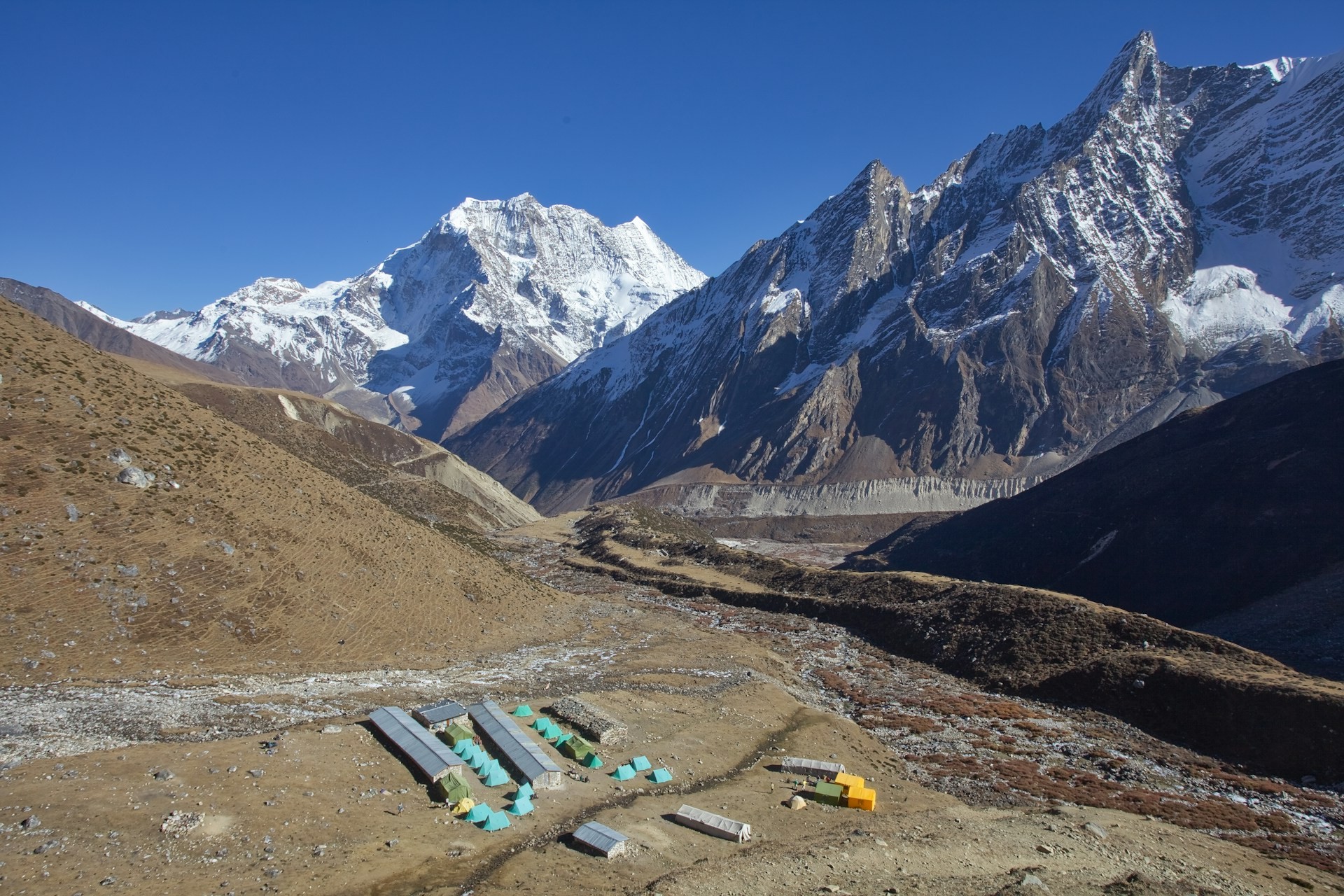
The Manaslu Circuit requires more permits than almost any other trek in Nepal. That is because the route passes through a restricted area near the Chinese border. This is not bureaucratic complication for its own sake - the restricted zone designation controls trekker numbers and protects communities in a sensitive region. Here is exactly what you need, what it costs, and how to get it sorted before you arrive at the trailhead.
Why the Manaslu Circuit Is a Restricted Area
Nepal designated the Manaslu Conservation Area as a restricted zone to control trekker numbers and protect communities near the Tibet border. The upper section of the circuit runs close to the Chinese boundary, and the restricted area permit system is how the government manages access. This means you cannot simply buy a permit at the trailhead. All permits must be arranged in advance in Kathmandu, and you must trek as part of a group with a licensed guide. Solo trekking is not permitted.
The Four Permits You Need
Permit 1: Manaslu Conservation Area Permit (MCAP)
Cost: NPR 3,000 per person (approximately $22 USD). The MCAP covers entry into the Manaslu Conservation Area, which applies for most of the route. It is obtained at the Nepal Tourism Board office at Bhrikutimandap, Kathmandu, or processed through your trekking agency.
Permit 2: Annapurna Conservation Area Permit (ACAP)
Cost: NPR 3,000 per person (approximately $22 USD). The ACAP covers the final section of the circuit as it passes into the Annapurna Conservation Area near Dharapani. Even though most of the trek is in the Manaslu region, the circuit technically exits through Annapurna jurisdiction, making this permit mandatory. Obtained from the same office as the MCAP.
Permit 3: Restricted Area Permit (RAP)
Cost: $100 USD per person per week, with a minimum of one week required. This is the key permit. It authorises you to trek in the restricted zone above Jagat, which covers the upper Manaslu circuit including Samagaon, Samdo, and the Larkya La crossing.
The RAP must be obtained at the Nepal Tourism Board office in Kathmandu before you begin the trek. It cannot be purchased at checkpoints on the trail. Critical requirement: the RAP requires a minimum group of two trekkers plus a licensed guide. You cannot hold a RAP as a solo trekker regardless of experience or nationality.
Permit 4: TIMS Card (Trekkers Information Management System)
Cost: NPR 2,000 per person (approximately $15 USD) when trekking with a guide. Some agencies report the TIMS card is not required when a RAP is already held, on the grounds that the RAP already tracks trekker information. Requirements change and local interpretation varies. Verify the current status with the Nepal Tourism Board at time of booking. Your agency should be able to confirm this.
The Mandatory Guide Requirement
Since 2023, solo trekking on the Manaslu Circuit has been banned. From April 2025, the Nepal government extended the mandatory guide requirement to all trekking trails nationally. For Manaslu specifically, the RAP already required a licensed guide and a minimum group of two, so this formalises existing practice.
Your guide must be licensed by the Nepal Tourism Board. Guides hired through unregistered operators or informal arrangements will not satisfy checkpoint verification requirements. At the Jagat restricted area checkpoint in particular, officials check guide credentials alongside permits.
Where to Get Your Permits
In Kathmandu (Self-Arranged)
Nepal Tourism Board office, Bhrikutimandap, near the Exhibition Ground, Kathmandu. Opening hours: Sunday to Friday, 9am to 5pm. Bring your passport, two passport-sized photos, and cash in NPR for the MCAP and ACAP. The RAP fee of $100 USD per week is usually accepted in USD or equivalent NPR, and some offices accept credit cards for this fee. Check in advance.
Through Your Trekking Agency
If you book through an agency like Highlander Trekking, permit acquisition is handled as part of your package. You provide scanned passport copies; the agency processes all four permits. This is the most straightforward approach and eliminates the risk of missing any current requirement or recent change to the process.
Permit Checkpoints on the Trail
Multiple checkpoints along the Manaslu Circuit verify permits. Officials at these points are thorough, particularly at the higher checkpoints closer to the restricted zone. Key checkpoints include Arughat or Soti Khola at the start of the trail, Jagat at the entry point into the restricted zone, several checkpoints above Jagat through to the pass area, and Dharapani at the exit into the Annapurna Conservation Area.
Carry all permits in a waterproof document pouch. Fines for missing or invalid permits are significant. You will not be able to talk your way past the Jagat checkpoint without a valid RAP and licensed guide.
Total Permit Cost Summary
MCAP: approximately $22 USD per person.
ACAP: approximately $22 USD per person.
Restricted Area Permit: $100 USD per person minimum (covers one week; a standard 14-day circuit requires two weeks, so $200 per person).
TIMS: approximately $15 USD per person (verify if required at time of booking).
Total permit costs: approximately $259-274 USD per person for a two-week circuit. Guide fees are separate and not included in this figure.
Frequently Asked Questions
Can I get the Manaslu permits on the trail?
No. The Restricted Area Permit must be obtained in Kathmandu before you start the trek. Do not attempt to begin the circuit without it. You will be turned back at the Jagat checkpoint with no refund or grace period.
What happens if I trek without a guide?
Your permits will not pass checkpoint verification without a licensed guide present. You will be fined and required to hire a guide on the spot at significantly higher day rates than you would have paid through an agency, or you will be required to turn back. There is no exemption for experienced solo trekkers.
Do child trekkers need the same permits?
Children under 10 are generally exempt from permit fees. Verify the current child exemption rules with the Nepal Tourism Board at the time of booking, as policies are updated periodically and the rules on the restricted area permit may differ from conservation area permits.
How far in advance should I arrange permits?
At least two weeks before your trek start date. During peak October season, the Tourism Board office processes a high volume of applications and wait times increase. Booking through a trekking agency like Highlander handles permit processing automatically and removes this timing pressure entirely.

-
PO Box: 10987
Thamel, Kathmandu -
+977-01-4700563, +977-01-4700066
Whatsapp: +977 9851167070

